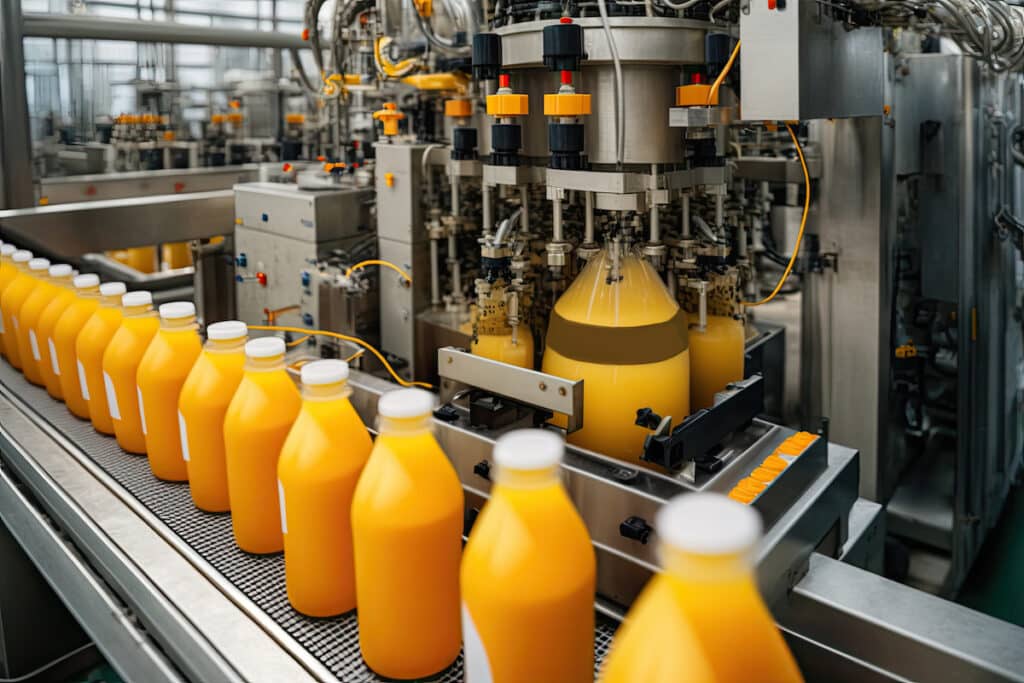
In food and beverage manufacturing processes, hoses are sometimes treated as a transfer tool, just something that moves product from one point to another. In reality, however, they are critical in maintaining hygiene, compliance, product quality, and operational efficiency.
At Pacific Hoseflex, we regularly work with businesses that have invested heavily in equipment, but are still experiencing issues because of incorrect or underperforming food and beverage hoses. Hoses might seem like a small part of the system, but when they fail, everything stops.
So, how do you choose the right food-grade hoses? What should you look for beyond compliance, and how do you avoid the common mistakes that lead to downtime and risk?
What are food-grade hoses and why are they important in food and beverage processing
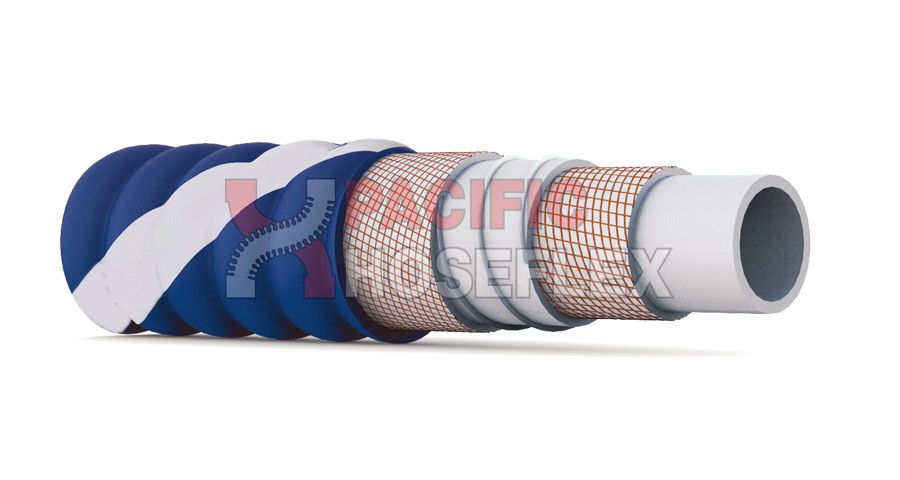
Our food-grade hoses are designed for the safe transfer of consumable products such as liquids, powders, and semi-solids. They are manufactured using materials that will not contaminate the product, alter taste, or introduce harmful substances.
In food and beverage environments, hoses are used across a wide range of applications, including:
- Dairy processing and milk transfer.
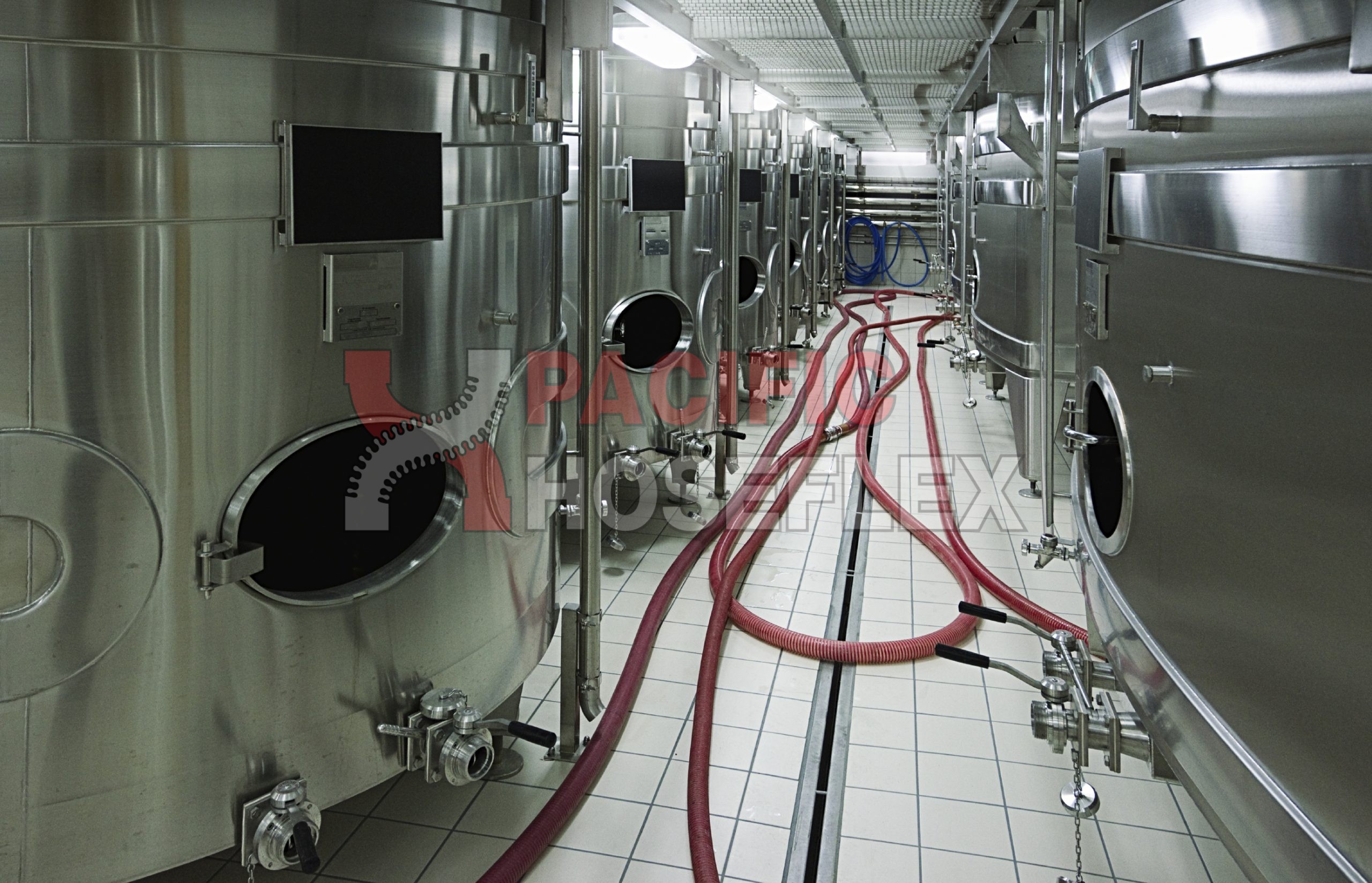
- Brewing, wine, and beverage production.
- Transfer of syrups, oils, and liquid ingredients.
- Cleaning processes such as CIP systems.
Using the wrong hose can significantly compromise product integrity, introduce contamination risks, and lead to compliance failures.
How to choose the right food-grade hose for your application
It’s more than just selecting something labelled “food-grade.” You need to fully understand your operating conditions and product characteristics.
Key factors to consider include:
- Product compatibility, including resistance to fats, oils, sugars, and alcohols.
- Temperature range during operation and cleaning cycles.
- Pressure requirements and flow rates.
- Flexibility needs, especially in dynamic or confined spaces.
- Internal hose construction to prevent product build-up.
A hose that is suitable for dairy transfer may not perform well in high-alcohol beverage production. Each application requires a tailored solution.
At Pacific Hoseflex, we work closely with you to assess these factors and recommend the most suitable hose type for your business.
Food-grade hose compliance standards in Australia and globally
Compliance is a non-negotiable requirement in food processing. Food-grade hoses must meet recognised standards relevant to Australia, such as Food Standards Australia New Zealand (FSANZ) requirements, along with international standards like FDA or EU regulations, where export or specific applications demand it.
However, it’s important to remember that a hose can meet regulatory standards but still fail under real-world conditions if it is not suited to your process. Exposure to aggressive cleaning chemicals, repeated temperature changes, or constant flexing can all impact performance over time.
Common problems with food and beverage hoses (and how to avoid them)
Many issues with food and beverage hoses do not appear immediately. They develop gradually and often go unnoticed until they cause a problem.
Common issues include:
- Hose degradation due to chemical or temperature exposure.
- Contamination from internal wear or material breakdown.
- Reduced flow efficiency from build-up or internal damage.
- Unexpected hose failure leading to downtime.
- Increased maintenance costs from frequent replacements.
Why hose material and construction matter for food safety
The internal construction of a food-grade hose will affect hygiene and product quality. Smooth, non-porous inner linings help prevent product build-up and reduce the risk of bacterial growth, while durable materials ensure the hose can handle regular cleaning without breaking down.
A well-designed food and beverage hose will resist absorbing taste or odour, withstand CIP chemicals and high temperatures, and maintain its structure without kinking or collapsing. This is especially important in industries like brewing and dairy, where even small levels of contamination can affect flavour, consistency, and shelf life.
Food and beverage hose maintenance, inspection and lifecycle management
Regular inspection and maintenance are required to ensure the ongoing safety and performance of food and beverage hoses. A proactive approach to hose management includes routine inspections for wear, cracks, or deformation, tracking usage and operating conditions, scheduled replacement based on performance rather than just age, and quick access to replacement hoses to minimise downtime.
Pacific Hoseflex also offers an Asset (Hose) Management System that provides full traceability of hose assemblies. It includes a secure, multi-device online portal with 24-hour access for existing customers, along with detailed reporting on hose condition, status, and lifecycle performance to support better maintenance planning and compliance.
Why choosing the right food and beverage hose supplier matters
Selecting the right food-grade hoses is only the first step. Working with a knowledgeable supplier ensures you get the right solution from the start and ongoing support over time.
At Pacific Hoseflex, we’re all about understanding your process, identifying potential risks, and delivering solutions that improve performance, safety, and reliability.
Food-grade hoses for food and beverage applications
In modern food and beverage production, hoses are a critical part of the system and should be treated accordingly. Choosing the right food and beverage hoses improves efficiency, reduces risk, and protects product quality. Getting it wrong can lead to downtime, compliance issues, and unnecessary costs.
If you are unsure whether your current hoses are suitable, or you are planning a new system, it is worth reviewing your setup. Contact Pacific Hoseflex for tailored food-grade hose solutions designed for Australian food and beverage operations, backed by technical expertise and ongoing support.