Hydrogen is emerging as a key component in Australia’s renewable energy strategy. From large-scale green hydrogen production projects to transportation, storage, and export infrastructure, investment across the hydrogen value chain continues to grow.
Hydrogen hoses play a vital role in ensuring the safe and efficient movement of hydrogen throughout the supply chain, which means hose selection is an important consideration for engineers, project managers, and operators.
The challenges of hydrogen transfer
Hydrogen brings up several unique challenges compared to conventional industrial gases.
As the smallest molecule in existence, hydrogen permeates through materials more easily than many other gases. This increases the importance of selecting hose materials specifically designed to minimise permeation and maintain system integrity over time.
Hydrogen applications also involve extreme operating conditions. Whether transporting hydrogen gas or managing cryogenic liquid hydrogen, transfer systems are often exposed to low temperatures, high pressures, and demanding environmental conditions.
Key factors when choosing a hydrogen hose
Material compatibility: This is critical. The components you choose need to be able to withstand prolonged exposure to hydrogen without degradation. The hose liner, reinforcement, fittings, and seals must all be carefully engineered to ensure compatibility with hydrogen service. This will help reduce the likelihood of leakage, improve reliability, and support long-term performance.
Permeation resistance: Due to hydrogen’s small molecular size, permeation can be a big challenge. Specialised hydrogen hose designs will minimise gas migration through the hose wall, reducing product loss and improving safety. Low-permeation solutions are extremely important in applications where maintaining product purity and system efficiency is essential.
Cryogenic performance: Many hydrogen applications involve cryogenic temperatures. This is often during storage, transportation, and ship loading operations. Your standard hose materials can become brittle or lose flexibility when exposed to extreme cold. Hydrogen hoses designed for cryogenic service are engineered to maintain structural integrity and performance in these demanding environments.
Pressure requirements: Hydrogen systems operate under elevated pressures. Hose assemblies need to be capable of safely handling both continuous operation and pressure fluctuations.
Supporting the hydrogen value chain
The hydrogen value chain consists of four key stages: production, transportation, storage, and utilisation. Each stage relies on reliable transfer solutions to move hydrogen safely and efficiently.
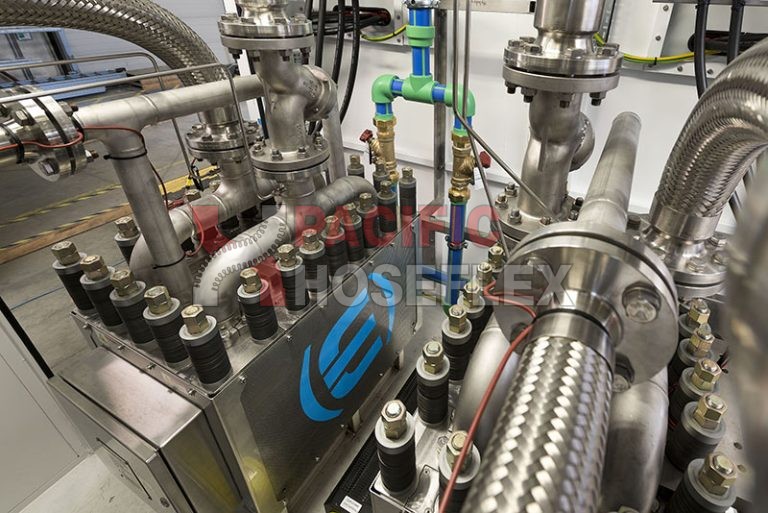
As Australia continues investing in renewable hydrogen projects, infrastructure reliability is becoming more important. Hose systems may represent a small component within a larger facility, but they have a big impact on operational efficiency, maintenance requirements, and workplace safety.
Pacific Hoseflex hydrogen solutions
Pacific Hoseflex is a leading engineering and manufacturing company, and our extensive product and service range enables us to support clients across a wide range of projects while considering long-term environmental sustainability objectives.
To support demanding hydrogen requirements, we offer a range of engineered hydrogen transfer solutions.
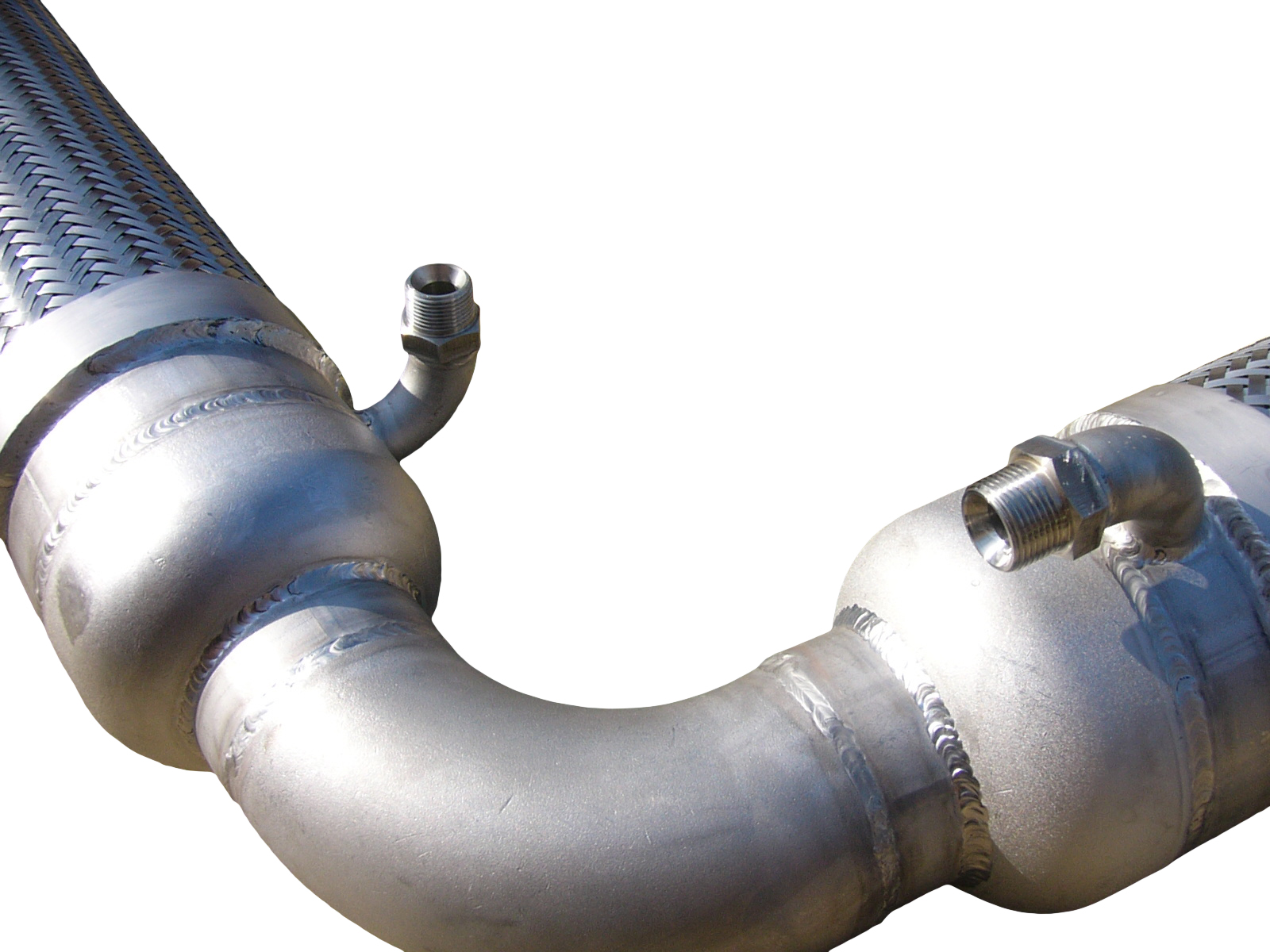
For hydrogen gas transfer and ship loading applications, our VITALFLEX® range includes the VITALFLEX® Vacuum Jacketed Semi (VVJS), designed to provide effective insulation and performance in hydrogen transfer systems. The VITALFLEX® Vacuum Jacketed Cryo (VVJC) is specifically engineered for cryogenic applications where maintaining extremely low temperatures is a must.
For projects requiring enhanced flexibility, the VITALFLEX® Vacuum Jacketed Ultra (VVJU) provides an advanced transfer solution, while the VITALFLEX® Vacuum Jacketed Pipes (VJP) deliver a robust option for fixed hydrogen transfer and storage infrastructure.
Building Australia’s hydrogen future
Hydrogen is expected to play an increasingly important role in Australia’s energy landscape, helping support decarbonisation targets while creating new opportunities for energy production, storage, and export.
As hydrogen infrastructure continues to expand, the importance of choosing reliable, purpose-designed transfer systems cannot be overstated. By investing in engineered hose solutions that address the unique challenges of hydrogen applications, operators can support long-term operational success.
To learn more about our hydrogen transfer solutions, get in touch with our team.