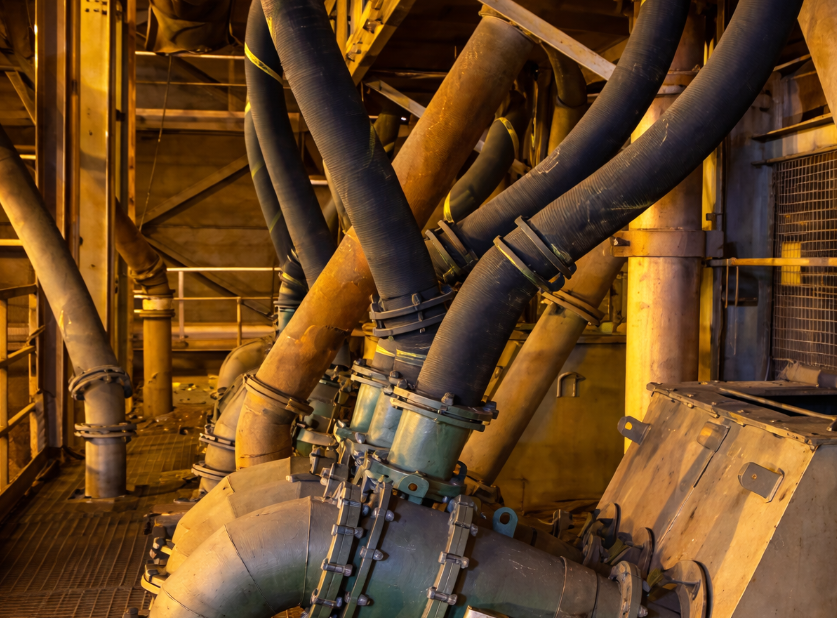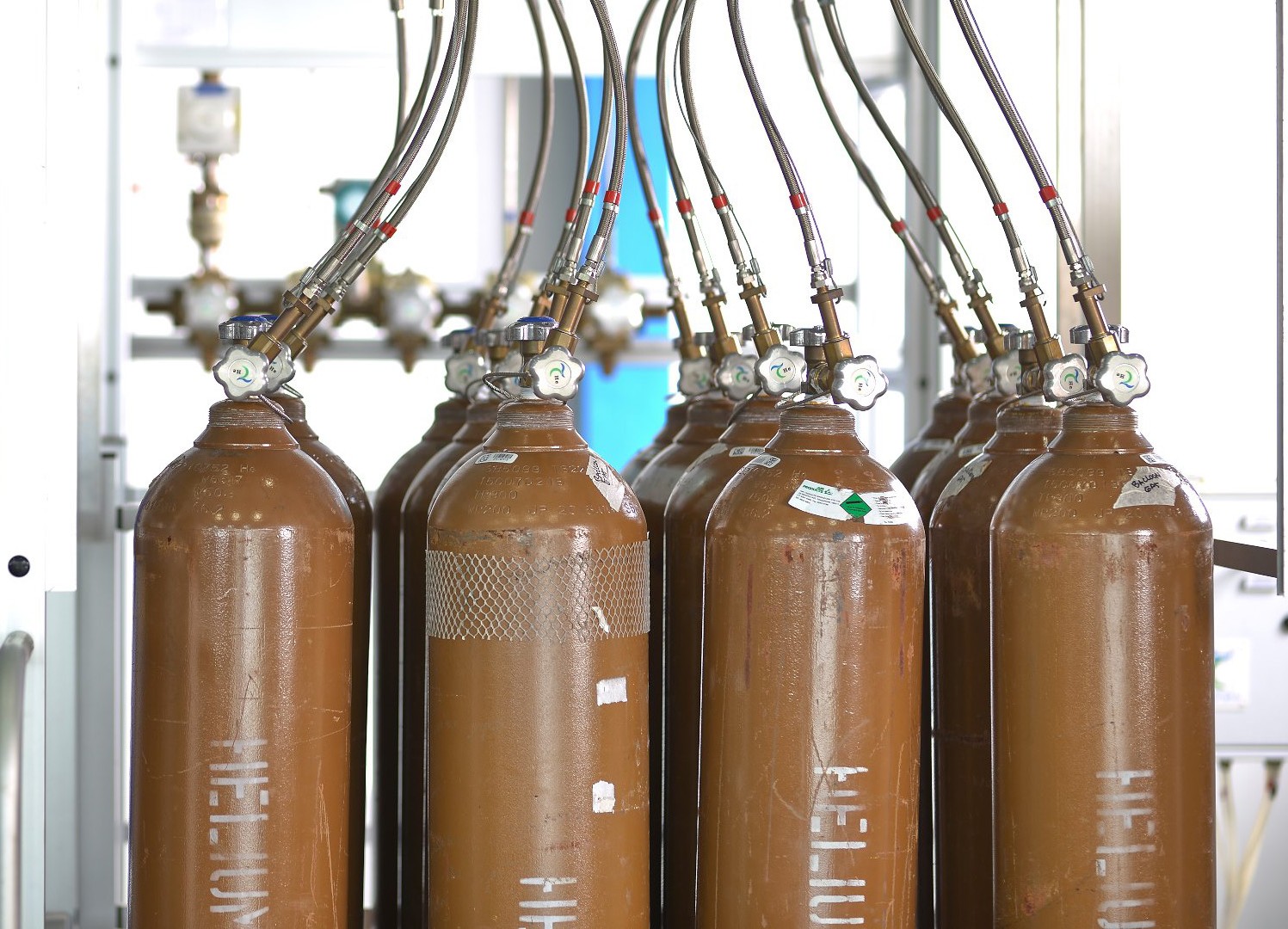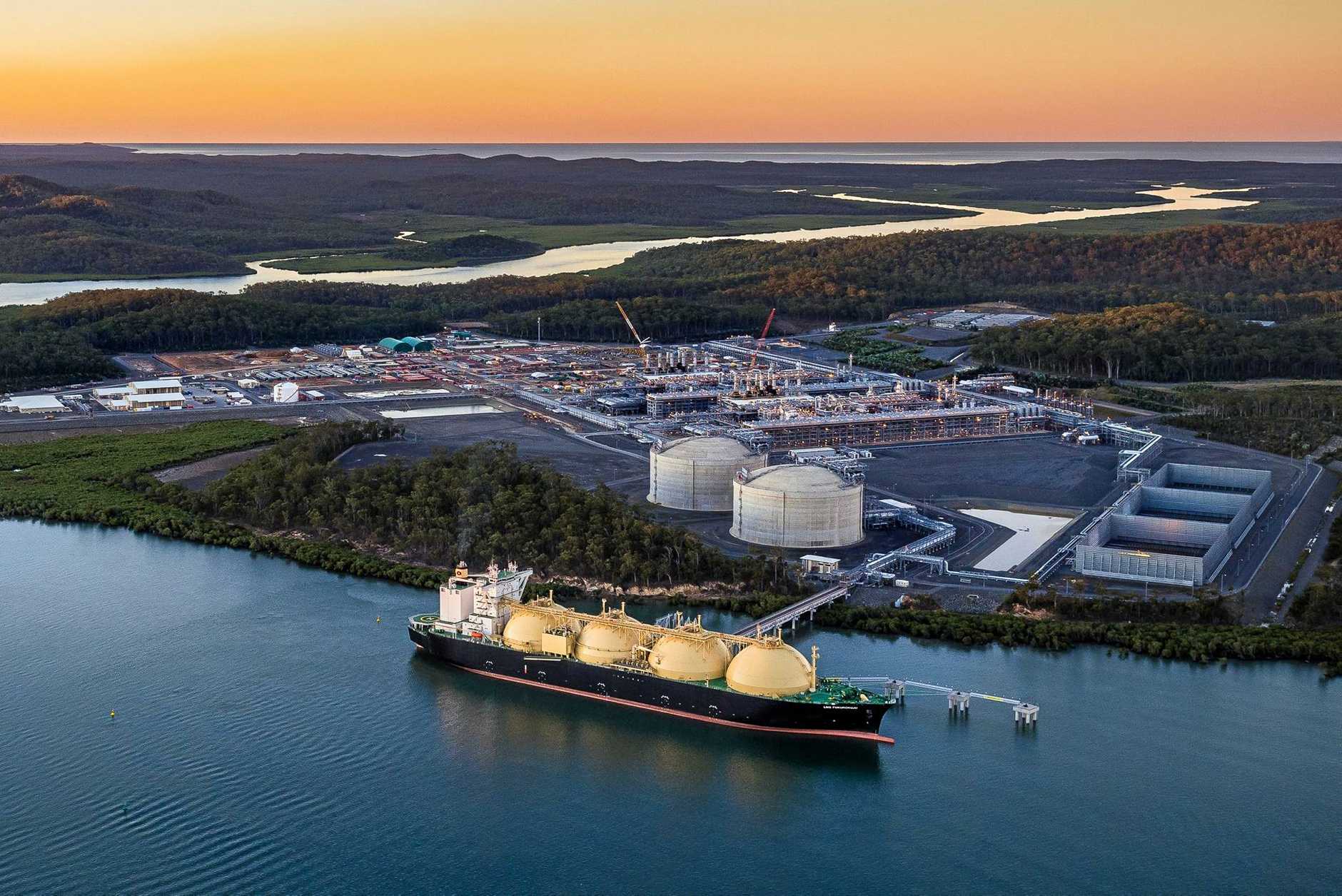
In mining, coal seam gas and heavy processing environments, hose failure is rarely random. In most cases, it is the result of predictable wear mechanisms that build over time under abrasive, corrosive and high-temperature conditions.
Abrasive slurry gradually strips internal linings. Harsh condensates chemically attack hose materials. Pressure fluctuations expose weaknesses in the specification. Installation stresses shorten service life long before the system reaches its full operating potential.
If you want to maximise hose life in tailings and condensate applications, the key is understanding how and why hoses fail, and engineering solutions accordingly.
In this article, we’ll talk about:
- What actually destroys slurry and condensate hoses
- Where specifications commonly fall short
- How to extend service life in abrasive and corrosive environments
Part 1: The two forces destroying your hoses
The predictable: Abrasion from tailings and slurry:
Tailings and slurry systems often contain suspended solids such as crushed rock, sand and mineral fines, all moving at considerable speed. As these materials move through your hose assembly, they create continuous internal wear.
Over time, this can lead to:
- Gradual internal erosion
- Wall thinning
- Exposure of reinforcement layers
- Structural weakening
When the solid concentration and flow velocity are higher, the more aggressive the wear. In mining slurry hose applications, abrasion is rarely superficial. It is progressive structural loss from the inside out, and once reinforcement is exposed, failure occurs fairly quickly.
The unpredictable: Chemical and thermal attack from harsh condensates:
Condensate systems present a different but equally damaging challenge. Hydrocarbons, acidic vapours, heated fluids and chemical residues can interact directly with hose linings, causing degradation at a molecular level.
Common effects include:
- Internal blistering
- Softening of lining materials
- Cracking under pressure
- Permeation through the hose wall
Chemical exposure combined with elevated temperature and operating pressure results in material breakdown that is significantly accelerated. This is why condensate transfer hoses must be chosen based on full chemical compatibility and temperature performance, not only on their pressure rating.
Part 2: The design decisions that determine hose life
Maximising the lifespan of hoses in slurry and harsh condensate systems comes down to several critical design and operational factors.
Internal lining material – the first line of defence:
In slurry applications, abrasion-resistant rubber compounds and heavy-duty mining-grade constructions are needed to withstand constant particle impact.
In harsh condensate systems, PTFE-lined hose assemblies are commonly specified due to their broad chemical resistance and high temperature tolerance. Selecting materials capable of maintaining integrity under both thermal and chemical stress is essential.
Choosing the wrong internal lining will almost always result in premature failure, regardless of external reinforcement.
Pressure rating at operating temperature:
Pressure ratings are not fixed values. As operating temperature increases, working pressure capacity decreases and material strength is reduced.
Many hose failures occur because assemblies are specified based on ambient ratings rather than actual operating conditions. To protect the life of your hoses, always check:
- Maximum operating temperature
- Working pressure at that temperature
- Potential pressure spikes
- Appropriate safety factors
Flow velocity and system design:
Flow velocity is a major factor in abrasion rates. Higher velocity increases internal erosion, particularly in slurry systems. Even small reductions in velocity can extend the service life of your hoses. System design should always consider solids loading, particle size, pump characteristics and areas of turbulence.
Wear is often most severe at bends, directional changes and connection points, where turbulence intensifies abrasion.
Mechanical stress and installation practices:
Even correctly specified industrial hoses can fail prematurely if installation introduces any kind of mechanical stress.
Common issues include:
- Exceeding minimum bend radius
- Twisting hoses during installation
- Insufficient support along the hose length
- Ignoring thermal expansion and contraction
Mechanical strain compounds internal wear and reduces fatigue resistance. The service life of hoses can be extended through proper installation practices.
Inspection and lifecycle management:
In tailings and condensate systems, waiting for visible failure is expensive and disruptive. A proactive approach should include:
- Scheduled inspections
- Monitoring pressure performance
- Checking for bulging, cracking or soft spots
- Tracking service life data
In mining and gas operations, hose assemblies should be treated as engineered assets instead of disposable components. Structured lifecycle management reduces unplanned downtime and improves cost efficiency.
Part 3: What maximised hose life looks like
When slurry and condensate systems are correctly engineered and maintained, the results are extremely measurable. Organisations typically experience:
- Fewer emergency shutdowns
- Reduced replacement frequency
- Improved safety performance
- Lower environmental risk
- Reduced total lifecycle costs
Maximising hose life is not about selecting the thickest or most expensive option available. It is about precision specification aligned with operating reality.
Discover our range of mining and slurry hoses.
Where engineered hose solutions make the difference
In harsh Australian mining and coal seam gas environments, hose systems must be designed to withstand:
- Continuous abrasion
- Chemical exposure
- Elevated temperatures
- High pressure
- UV exposure in outdoor installations
Engineered solutions such as Pacific Hoseflex’s PTFE-lined hoses, stainless steel braided hoses and heavy-duty slurry hose systems are selected based on specific application requirements. When hose construction is matched precisely to operational conditions, performance improves and service life is longer.
Explore Pacific Hoseflex Mining Hoses!
Slurry and scunge: design for durability
Slurry erodes. Condensate corrodes. Heat reduces material strength, and pressure amplifies weaknesses. None of these forces are unpredictable, and that is exactly why they can be managed.
Maximising hose life in tailings and harsh condensate applications requires:
- Correct material selection
- Accurate assessment of pressure and temperature
- Proper installation practices
- Ongoing inspection and monitoring
In mining and energy operations, reliability is not assumed, it is engineered. In slurry and scunge environments, longevity is not a matter of luck. It is the result of informed design, careful specification and disciplined maintenance.
Need more information? Request a quote from the Pacific Hoseflex team today!