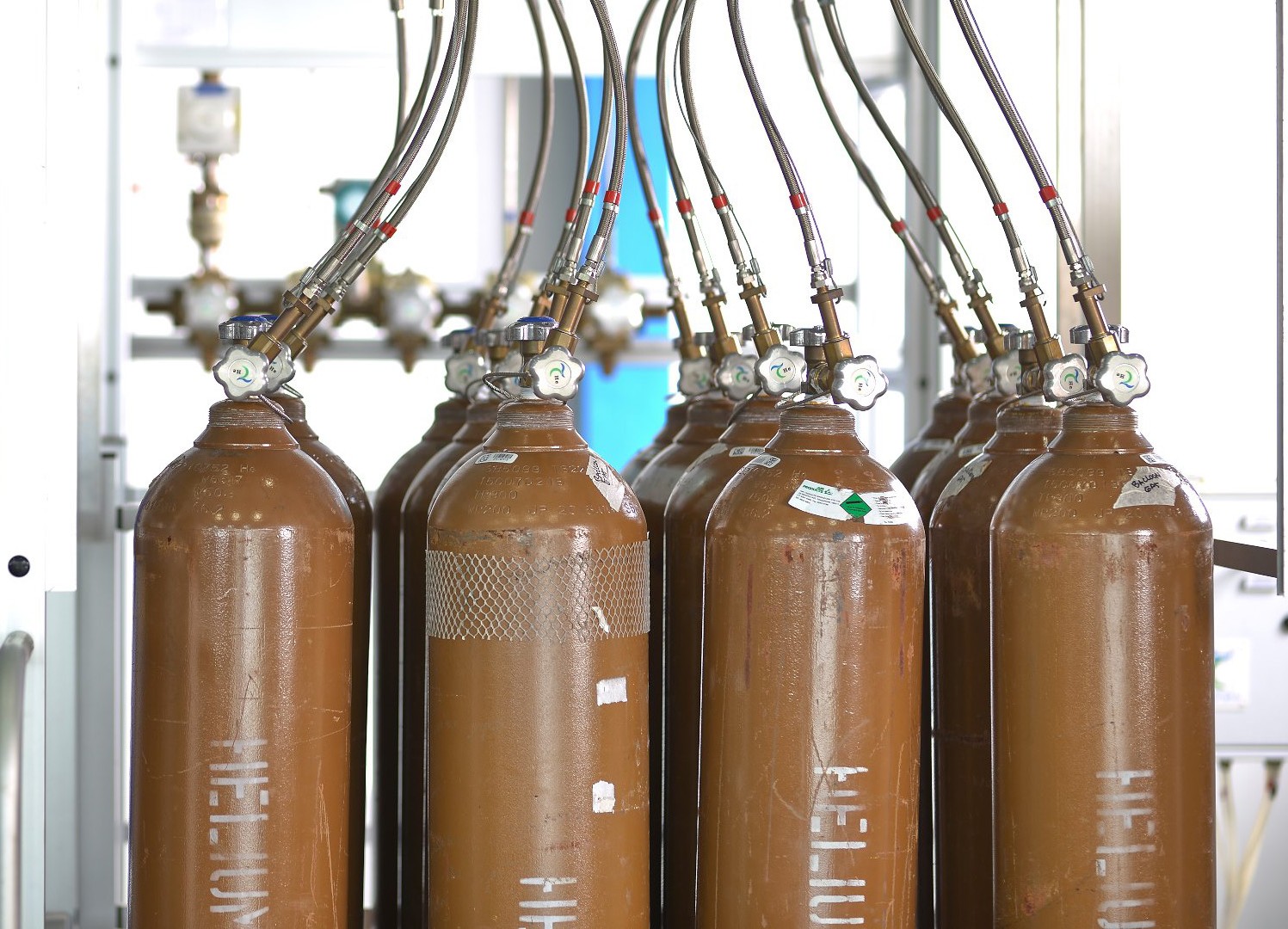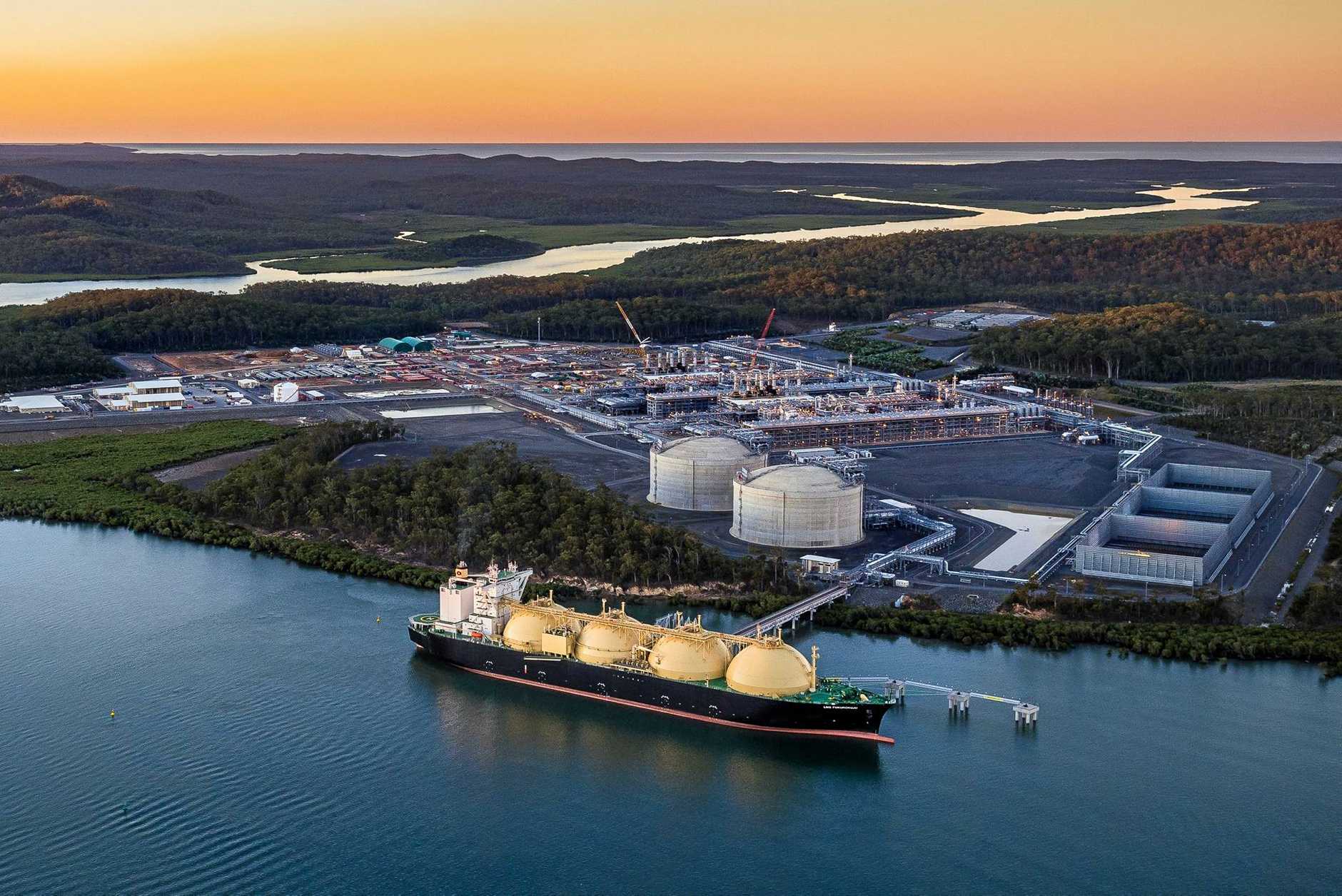
In energy production environments, whether it’s oil, gas, hydrogen, power generation or chemical processing, hose selection isn’t just about procurement. It’s a decision about risk.
It’s common practice to hand operators catalogues filled with product codes, pressure ratings and material specifications – expecting them to make the right decision. In reality, selecting the right hoses needs much more clarity.
The problem with catalogue-driven decisions
Catalogues are useful and definitely serve a purpose, but they don’t tell the full story. They list what a hose is, not how it performs in your exact operating conditions. In energy applications, variables such as temperature fluctuations, aggressive media, pressure cycles and environmental exposure all interact. A hose that looks suitable on paper can fail prematurely if even one of these elements is overlooked.
For example, chemical incompatibility is one of the most common causes of hose failure. When the inner liner reacts with the media being transferred, it can swell, soften or become brittle, often without any visible warning until everything goes wrong.
This is why relying purely on product listings without application context introduces unnecessary risk.
What operators actually need: application clarity
Instead of asking, “Which hose should I buy?”, the better question is: “What does my application demand?”
Clarity comes from understanding five key factors:
- Media compatibility
Not every hose is compatible with every fluid. Even within the same category, like hydrocarbons or chemicals, variations in composition, concentration and additives can impact hose performance.
- Temperature range
We know that thermal extremes can accelerate material degradation in hose assemblies. A hose performing well at ambient temperatures can fail under ongoing heat or cryogenic conditions.
- Pressure and flow dynamics
Static pressure ratings don’t tell us the whole story. Surge pressure, pulsation and flow rate also influence long-term hose durability.
- Mechanical stress and routing
Tight bend radii, vibration and movement add to hose fatigue. Poor routing can also reduce hose life significantly.
- Compliance and safety requirements
Energy operations have strict regulations and standards. Choosing compliant, tested assemblies can help to avoid operational and regulatory risk.
From products to engineered solutions
Working with an engineering-led supplier makes a big difference. At Pacific Hoseflex, our focus isn’t just on supplying hoses; we are dedicated to delivering complete fluid transfer solutions tailored to your application.
Instead of offering a one-size-fits-all product, solutions are built around:
- Chemical-resistant hose materials such as PTFE for aggressive environments
- Engineered fittings and couplings to ensure leak-free connections
- Complete assemblies designed to handle pressure, temperature and movement
- Ongoing support to validate and optimise system performance
By taking this approach, we can help reduce the risk of leaks, contamination and unplanned downtime, all critical considerations in energy production environments.
Making a difference in energy environments
In the energy sector, hose failure is never just a maintenance issue. It can result in:
- Unplanned shutdowns
- Environmental incidents
- Safety hazards for personnel
- Extreme financial loss
We see that many of these failures trace back to incorrect selection, not product quality.
Clear, application-specific guidance reduces this risk. It allows you to move from reactive replacements to proactive system design.
Education-led confidence
Education-led support is becoming increasingly important across sectors. Operators need access to technical expertise, compatibility data and real-world application insight, not just datasheets and specs.
By working closely with Pacific Hoseflex engineers and technical specialists, your organisation can:
- Validate hose suitability before installation
- Identify potential failure points early
- Extend service life through correct specification
- Improve overall system reliability
Moving beyond the catalogue
By moving beyond the catalogue, you’re shifting from product selection to informed decision-making. They’ll always have their place, but they should be the starting point, not the strategy. If your team is selecting hoses based solely on listings, it may be time to rethink the process.
For tailored guidance on chemical compatibility, pressure requirements and engineered hose assemblies, contact the experienced Pacific Hoseflex team.