When you’re choosing LPG or natural gas transfer hose, pressure rating, temperature and chemical compatibility are important considerations. But there’s another factor that deserves just as much attention, especially when you’re working with flammable gases. Electrical continuity.
It’s easy to overlook because you can’t see it, and a hose can appear perfectly serviceable without it. Although in the wrong operating conditions, inadequate control of static electricity can introduce a serious safety risk.
So what does electrical continuity actually mean in an industrial gas hose, and how do you know whether your application needs it?
What is electrical continuity in a gas hose?
Electrical continuity means there’s a conductive path through a hose assembly that allows electrical charge to move between designated points.
During gas transfer operations, static electricity can be generated through the movement of fluids, particularly where liquid phases, droplets or particles are involved. If that charge builds up and discharges as a spark in a flammable atmosphere, it can become an ignition hazard.
Thankfully, a properly specified conductive hose assembly can form part of the measures used to manage that risk. However, electrical continuity isn’t the same as just having a metal fitting at each end. The hose construction, connections, bonding arrangements and the wider transfer system all need to be considered.
Where does electrical continuity become important?
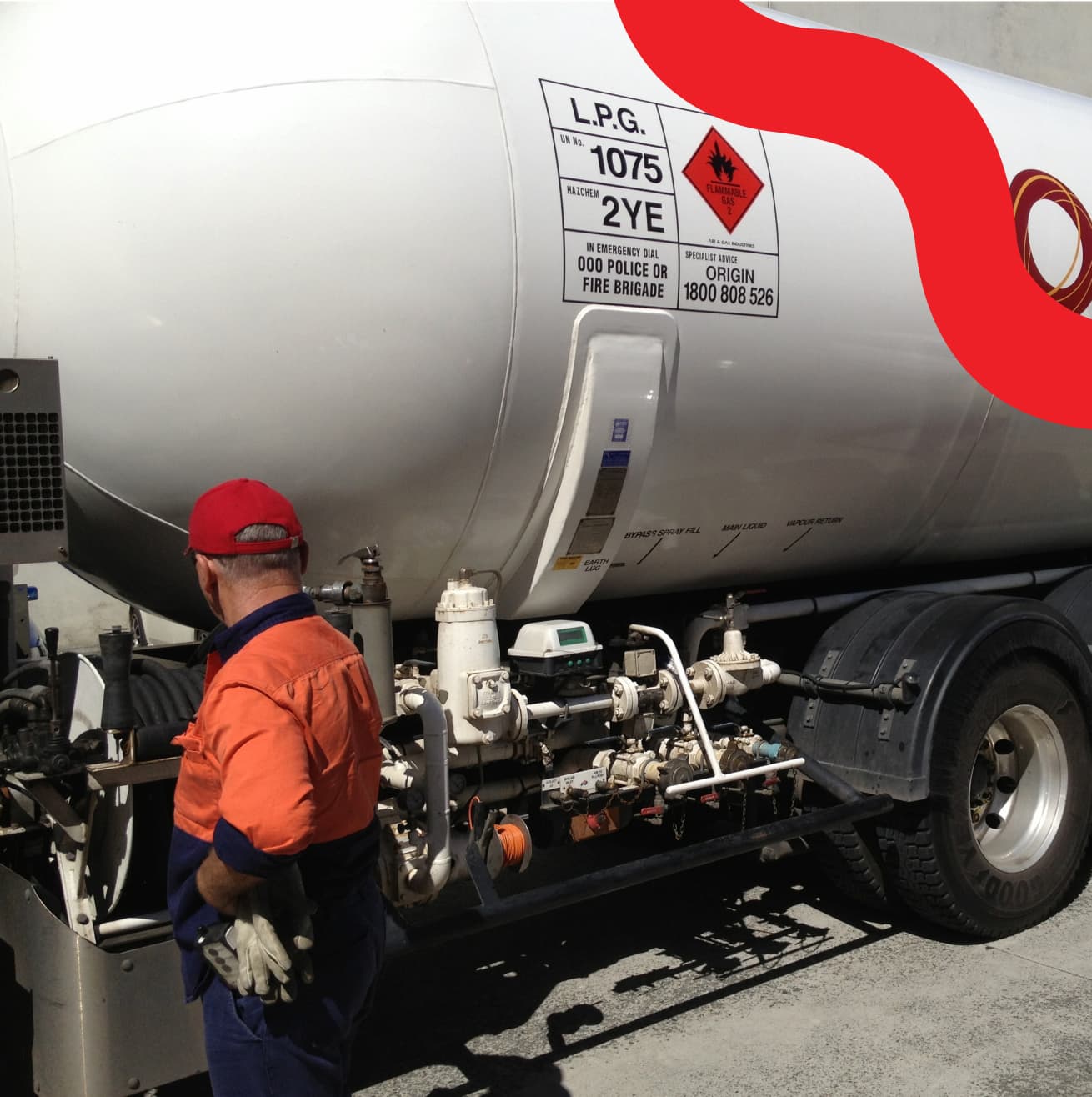
Let’s consider a road tanker delivering LPG to a storage facility. The transfer hose connects two pieces of equipment, potentially across different electrical potentials. Depending on the operation, static charge may be generated during product movement.
The hose needs to be suitable for the transferred medium and operating pressure, but the site’s electrical bonding and earthing arrangements are also important. Similar considerations can arise in gas distribution facilities, industrial transfer operations and some coal seam gas applications.
The key point: Electrical requirements should be assessed as part of the complete installation, instead of assuming every gas hose provides the same level of protection.
How do gas hoses provide electrical continuity?
Not all industrial gas hoses are designed the same. Some incorporate conductive or antistatic materials, while others use metallic components to provide an electrical path through the assembly.
For example, Pacific Hoseflex’s VAPFLEX® industrial gas hose features a black antistatic synthetic rubber tube and is available with an embedded cross-linked copper wire helix for electrical resistance requirements. It’s designed for applications involving LPG, natural gas, town gas and coal seam gas. Its construction also includes textile reinforcement and an outer cover designed to resist abrasion, oils and outdoor exposure.
Keep in mind that the completed assembly must meet the electrical requirements of its intended application.
What about ISO 8031 and gas hose standards?
If you’re researching electrical continuity in industrial hoses, you’ll likely come across ISO 8031. It’s a standard that addresses methods for measuring electrical resistance and conductivity in rubber and plastic hoses and hose assemblies. You must consider this when checking whether a hose meets specified electrical performance requirements.
For LPG and natural gas applications, other standards may also apply.
VAPFLEX®, for example, is approved to AGA AS/NZS 1869 Class C and Class H, with product specifications also referencing EN 1762 for LPG and natural gas hose assemblies.
The important thing is to confirm which standards, classifications and test requirements apply to your installation.
Other things to check when selecting a gas transfer hose
Electrical continuity is important, but it shouldn’t be looked at in isolation. A gas hose also needs to accommodate the operating conditions it will experience throughout its service life.
That includes:
- Pressure and temperature: Confirm the hose is rated for the maximum operating conditions, including foreseeable fluctuations.
- Bend radius and movement: Make sure the hose can be installed and operated without excessive bending, twisting or strain.
- End connections and assembly design: Select compatible fittings and confirm the complete assembly meets the application requirements.
For installations exposed to weather, vehicle movement or frequent handling, external wear and mechanical protection also deserve attention. VAPFLEX® is available in Class C and Class H configurations, with different temperature capabilities depending on the selected hose.
The right choice really depends on the gas being transferred, the operating environment and the requirements of the complete system.
Can electrical continuity change over time?
Repeated movement, mechanical damage, corrosion or deterioration at connection points can affect their condition and potentially their electrical performance. That’s why inspection and testing requirements should be established for the application.
But a hose that passed its initial checks shouldn’t automatically be assumed to remain suitable indefinitely. For critical gas transfer operations, inspection records, assembly identification and appropriate testing can help maintenance teams identify issues before they become larger problems.
Choosing the right hose for LPG and natural gas transfer
When you’re working with flammable gases, the smaller details in hose specification can have a big impact. Electrical continuity is one of those details. It needs to be considered alongside pressure, temperature, hose construction, fittings and the wider transfer system.
At Pacific Hoseflex, we work with customers across industrial gas applications, supplying hose and fitting solutions for demanding operating environments.
Our VAPFLEX® industrial gas hose is designed for LPG, natural gas, town gas and coal seam gas transfer, with configurations available to suit different application requirements.
Specifying a gas transfer hose? Contact Pacific Hoseflex to discuss your operating conditions and find a suitable hose assembly for your project.